
How to Get Rid of Sod Webworms
If you’ve noticed patchy brown areas appearing in your lawn or moths fluttering over your grass at dusk, you might be dealing with sod webworms. These destructive lawn pests can quickly turn a lush, healthy lawn into a patchy, moth-eaten mess – but don’t worry! With the right knowledge and treatment approach, you can eliminate sod webworms and restore your turf to its former glory.
Here on the Sunshine Coast and in Gympie, our warm climate creates ideal conditions for these pests, especially during the warmer months. Whether you’re managing a residential lawn or a larger turf area, understanding how to identify, treat, and prevent sod webworm infestations is essential for maintaining premium quality turf year-round.
What Are Sod Webworms?
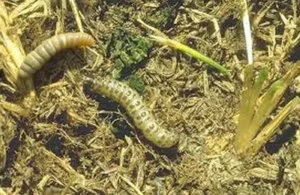
Sod Webworms Explained
Sod webworms aren’t actually worms at all – they’re the larvae of small lawn moths (Crambus species). These caterpillar-like larvae are typically 15-25mm long when fully grown, with a tan or grey-green colouring and small dark spots running along their bodies. The adult moths are buff-coloured or greyish-brown, measuring about 12-20mm in length, and have a distinctive habit of folding their wings tightly against their bodies when at rest.
These common lawn pests live in the thatch layer of your lawn – that’s the layer of dead grass, roots, and organic matter between the soil surface and the green grass blades. From here, the larvae emerge at night to feed on grass blades, causing significant damage if left unchecked.
The Life Cycle of Sod Webworms
Understanding the sod webworm life cycle helps you time your treatments for maximum effectiveness. The complete cycle takes approximately 6-8 weeks:
- Egg stage (7-10 days): Adult moths lay eggs in the lawn, typically dropping them while flying over the grass
- Larval stage (4-6 weeks): Eggs hatch into larvae that feed voraciously on grass blades, going through several growth stages
- Pupal stage (1-2 weeks): Mature larvae form cocoons in the thatch or soil
- Adult moth stage (1-2 weeks): Moths emerge, mate, and lay eggs to start the cycle again
In Queensland’s warm climate, sod webworms can produce 2-4 complete generations per year, with populations peaking during late spring through early autumn.
Why Sod Webworms Are a Serious Lawn Pest
Sod webworms deserve your attention because a heavy infestation can destroy large sections of turf in just a few weeks. The larvae feed at night and hide during the day, making early detection challenging. Each generation can increase population density exponentially, and damaged grass becomes vulnerable to disease, drought, and other pests. For homeowners who’ve invested in quality turf, sod webworm damage can be particularly frustrating – but it’s definitely manageable with prompt action.
When Sod Webworms Are Most Active in Australia
In our region, sod webworms are most active during late spring (October-November), summer (December-February), and early autumn (March-April). The warmest, most humid periods create ideal conditions for populations to explode, so vigilance during these times is crucial.
Signs Your Lawn Has Sod Webworms
Brown or Patchy Areas Appearing in Turf
One of the first signs is irregular brown or yellowing patches scattered across your lawn. Unlike fungal diseases that often create circular patterns, sod webworm damage typically appears as irregular patches that gradually expand and may initially look like drought stress.
Ragged or Chewed Grass Blades
Sod webworm larvae chew and clip grass blades near the base, leaving ragged, irregular edges. You might notice grass blades that look shredded or notched, quite different from the clean cut of a lawn mower. In heavy infestations, grass may be completely defoliated down to the crown.
Silk Webbing and Tunnels in the Thatch
Larvae create silken tubes or tunnels in the thatch layer where they hide during the day. If you part the grass and look closely at the soil surface, you might spot fine, silky webbing, small tunnel entrances, green faecal pellets (frass) about 2-3mm long, or bits of chewed grass debris.
Increased Bird Activity on Your Lawn
Birds – particularly magpies, starlings, and currawongs – love feasting on sod webworm larvae. If you notice birds pecking aggressively at your lawn or spending more time foraging in specific areas, it’s worth investigating further.
Moths Flying Low Over Grass at Dusk
Adult sod webworm moths fly in a jerky, zigzag pattern just above the grass, typically at dusk or early evening. If you notice small, buff-coloured moths doing this dance over your lawn during warmer months, it’s a strong indicator that females are laying eggs.
What Damage Do Sod Webworms Cause?
Sod webworm larvae are nocturnal feeders that emerge from their silken tunnels after dark and climb grass blades to feed. Rather than eating the entire blade, they clip grass near the base or crown and chew irregular notches along the edges, often dragging cut pieces back to their tunnels. Young larvae cause minimal visible damage, but older, larger larvae consume significantly more grass and create the characteristic brown patches.
Turf Varieties Most Susceptible to Sod Webworms
While sod webworms can attack any turfgrass, fine-leaved couch grass varieties are most susceptible, particularly when maintained at low mowing heights. Buffalo grass varieties and some zoysia grass varieties are moderately susceptible, while kikuyu grass is more resistant due to aggressive growth and recovery. Stressed or poorly maintained turf of any variety is more vulnerable to severe damage than healthy, well-maintained lawns.
How Infestations Spread Across a Lawn
Sod webworm infestations typically start in specific areas and spread outward. Adult moths lay eggs randomly across the lawn, often favouring areas with existing thatch build-up. First-generation larvae create scattered damage spots, then surviving larvae pupate and emerge as adults in the same area. New moths lay eggs nearby, expanding the affected zone, and multiple infestation centres eventually merge as populations grow. Without intervention, a small problem area can expand to cover significant portions of your lawn within a single season.
How to Confirm a Sod Webworm Infestation
The Soapy Water Test (Step-by-Step)
This simple test is one of the most reliable ways to confirm sod webworms:
What you’ll need:
- 2 tablespoons of dishwashing liquid
- 10 litres of water
- Watering can or bucket
The process:
- Mix the dishwashing liquid thoroughly into the water
- Select a test area (about 1 square metre) where you suspect webworm activity
- Drench the area thoroughly with the soapy solution
- Wait 5-10 minutes and watch carefully
- Sod webworm larvae will be irritated by the soap and come to the surface
This test works because the soap irritates the larvae without harming your grass, forcing them out of their hiding spots in the thatch.
Inspecting Thatch for Larvae and Frass
Part the grass down to the soil surface and look for larvae hiding in the thatch, green or brown frass (faecal pellets), silken tubes or webbing, and chewed grass clippings. Use a torch for better visibility, and check multiple spots across the damaged area.
Checking Turf at Night When Webworms Feed
Since sod webworms are nocturnal, a night inspection (8-10pm is ideal) can reveal their activity directly. Use a torch to carefully examine suspected areas and look for larvae actively feeding on grass blades.
How Many Larvae Indicates a Problem?
As a general guideline, treatment thresholds are approximately:
| Larvae per square metre | Damage risk | Action needed |
| 1-5 larvae | Low | Monitor closely; treatment not usually necessary |
| 6-15 larvae | Moderate | Consider treatment, especially if turf is stressed |
| 16+ larvae | High | Treatment recommended to prevent severe damage |
| 25+ larvae | Severe | Immediate treatment required |
Keep in mind these are general guidelines only. If your lawn is already showing significant damage, even moderate larval counts warrant treatment. Conversely, a healthy, vigorous lawn might tolerate slightly higher populations without visible damage.
How to Get Rid of Sod Webworms
Step 1: Mow and Prepare the Lawn
Before applying any sod webworm treatment, give your lawn a good mow. This opens up the turf canopy so treatments can penetrate to the thatch layer where larvae hide, removes excess leaf material that could intercept treatments, and makes it easier to see treatment results. Set your mower to the lower end of the recommended height for your grass variety.
After mowing, rake up grass clippings thoroughly and remove any accumulated debris. If your thatch layer exceeds 12-15mm thickness, consider dethatching to expose larvae and make treatments more effective. Water your lawn lightly 1-2 days before treatment (unless product instructions say otherwise), but ensure grass blades are dry before applying products.
Step 2: Apply Biological Controls
Beneficial Nematodes
Beneficial nematodes (particularly Steinernema carpocapsae) are microscopic organisms that parasitize and kill sod webworm larvae. They’re an environmentally friendly option that won’t harm beneficial insects, pets, or people.
Apply when soil temperature is above 12°C (easily achieved in our climate), water the lawn before and after application, and apply in early morning or evening to avoid UV damage to nematodes. Expect results within 7-14 days and be prepared for repeated applications in severe infestations. Nematodes work best on younger larvae.
Bacillus thuringiensis (Bt) Treatments
Bt is a naturally occurring bacteria that produces proteins toxic to certain insects, including sod webworms, but is harmless to humans, pets, and beneficial insects. Apply when larvae are actively feeding (young, small larvae respond best), mix according to label directions, and apply in late afternoon or evening. Reapply every 7-10 days if needed. Bt must be ingested by the larvae to work, so timing is crucial.
When Biological Solutions Work Best
Biological controls are most effective when infestations are caught early (low to moderate larval numbers), larvae are young and small, and used as part of a preventative programme. For severe infestations with large, mature larvae, biological controls may need to be combined with other methods.
Step 3: Use Insecticides for Severe Infestations
Contact Insecticides for Immediate Control
Contact insecticides (synthetic pyrethroids like bifenthrin or lambda-cyhalothrin, carbaryl, or spinosad) kill sod webworms on contact and provide rapid knock-down of active larvae. Apply in late afternoon or early evening when larvae emerge to feed, ensure thorough coverage, follow label rates precisely, and keep pets and children off treated areas as directed. Contact insecticides work quickly – often within 24-48 hours.
Residual Insecticides for Long-Term Protection
Systemic insecticides provide protection for up to 3-6 months, control larvae at all growth stages, and work both preventatively and curatively. Products like Acelepryn are popular in professional turf management for their effectiveness against sod webworms combined with low environmental impact and excellent safety profile. Other residual options are also available through turf suppliers and garden centres.
Best Time of Day to Apply Treatments
Late afternoon (4-6pm) is ideal for most treatments, as larvae will soon emerge to feed. Avoid midday applications when high temperatures and UV can degrade some products. Always check the product label for specific timing recommendations.
Step 4: Water and Maintain the Lawn After Treatment
Post-treatment watering depends on the product used. Granular products, nematode applications, and some residual insecticides need light watering (5-10mm) immediately after, while contact insecticides and some foliar applications require delaying watering for 24-48 hours. Check product labels for specific instructions and avoid saturating the soil, which can wash products through the root zone before they’re effective.
Helping Turf Recover
Once you’ve controlled the sod webworm population, maintain consistent moisture by watering deeply but infrequently, apply light balanced fertilization to support recovery (but avoid over-fertilizing), continue regular mowing at the proper height, and minimize foot traffic on damaged areas. Most lawns will recover from moderate damage within 3-4 weeks with proper care.
Repairing Bare or Thinning Areas
For severely damaged sections, rake out completely dead grass, lightly cultivate bare spots, apply starter fertilizer, and overseed small patches (less than 1m²) or re-turf larger areas. If you need quality replacement turf, we can help with premium turf varieties suited to local conditions.
Natural Ways to Control Sod Webworms
Encouraging Beneficial Insects and Predators
Your lawn’s ecosystem includes natural sod webworm predators like ground beetles, parasitic wasps, tachinid flies, birds, lizards, and predatory spiders. Encourage them by avoiding broad-spectrum insecticides, planting native flowering plants around lawn edges, providing habitat features like rocks or logs for lizards, and maintaining diverse plantings around your property.
Lawn Care Practices That Reduce Infestations
Beyond predators, preventative maintenance is your best defence. Core aeration helps break down thatch naturally, balanced fertilization feeds your lawn without creating excessive thatch or lush growth that attracts pests, and deep, infrequent watering promotes deep roots without keeping the surface constantly moist. These practices create conditions that favour healthy turf over pest populations.
When Natural Control Methods Are Enough
Natural controls work best for mild infestations (fewer than 10 larvae per square metre), preventative management in healthy lawns, and situations where you can tolerate minor, temporary damage. However, if you’re facing severe damage or rapidly expanding infestations, combining natural methods with targeted treatments often provides the best results.
Preventing Sod Webworms and Maintaining Lawn Health
The single best defence against sod webworms is a healthy, vigorous lawn. Dense turf resists pest damage better, recovers more quickly from feeding injury, and shows stress symptoms earlier. Here’s how to keep your lawn resilient:
Essential Maintenance Practices
Proper mowing: Different grass varieties have optimal heights – buffalo grass (25-50mm), couch grass (10-25mm), zoysia grass (15-40mm), and kikuyu grass (25-40mm). Never remove more than one-third of the grass blade at once, as cutting too short stresses grass plants and makes turf more susceptible to pest damage.
Thatch management: Keep thatch under 12-15mm through periodic dethatching (power raking) and annual core aeration. Less thatch means fewer hiding spots for larvae and easier penetration of treatments if needed.
Balanced fertilization: Avoid over-fertilizing, especially with excessive nitrogen that creates lush growth attractive to pests and builds thatch. Use slow-release products for steady nutrition without growth flushes, and consider soil testing to know what your lawn actually needs.
Regular monitoring: Conduct monthly inspections during warm months, watch for adult moths at dusk during summer, conduct periodic soapy water tests in high-risk areas, note unusual bird foraging behaviour, and track weather patterns (warm, humid periods increase risk). Catching infestations early makes treatment much easier and less expensive.
Seasonal Sod Webworm Control Calendar
Spring (September-November): Conduct thorough lawn inspections as temperatures warm, apply preventative treatments if you had problems last season, aerate and dethatch to reduce potential habitat, and watch for first-generation adult moths (usually late October-November).
Summer (December-February): This is peak sod webworm season – conduct weekly inspections, watch for brown patches developing, conduct soapy water tests at first sign of damage, treat promptly if thresholds are exceeded, and watch for moths at dusk indicating new generations.
Autumn (March-May): Treat any remaining larvae before they pupate, prepare lawn for winter by maintaining health, document problem areas for next season’s attention, and consider applying residual products for winter protection.
Winter (June-August): Allow lawn to recover from any season damage, maintain general lawn health, repair severely damaged areas, plan preventative strategies for next season, and order supplies for spring treatments if needed.
How to Repair Lawn Damage Caused by Sod Webworms
Removing Dead Turf
For areas that won’t recover, use a sharp spade or turf cutter to remove dead sections, cutting slightly beyond the damaged area into healthy turf. Remove dead grass, loosen the underlying soil, clear away debris and old roots, and level the soil surface to match surrounding areas.
Fertilising to Encourage Regrowth
For damaged but not dead areas, apply a balanced, slow-release fertilizer and water in thoroughly. Avoid excessive nitrogen that could stress recovering grass. Monitor for signs of new growth (usually within 1-2 weeks) and reapply lightly after 4-6 weeks if recovery is slow.
Overseeding or Re-Turfing Bare Areas
Overseeding suits small patches – select seed matching your existing turf variety, apply at recommended rates, keep consistently moist until germination, and protect from heavy traffic during establishment. Full coverage takes 6-12 weeks.
Re-turfing is better for larger areas or quick results. Measure damaged areas, prepare soil with starter fertilizer, lay turf pieces tightly together, roll lightly to ensure soil contact, and water daily for first 2 weeks. For quality replacement turf in the Sunshine Coast or Gympie area, we stock varieties that ensure seamless repairs.
When Lawn Replacement Is Necessary
Consider full replacement when more than 40-50% of lawn is damaged, underlying problems (compaction, poor drainage) contributed to damage, or existing turf was poor quality. Sometimes complete lawn renovation makes more sense than extensive patching, and it’s an opportunity to upgrade to more pest-resistant varieties.
When to Call Lawn Care Professionals
Professional help makes sense when DIY treatments haven’t controlled the problem, infestations return year after year, large larval numbers require commercial-grade products, or time constraints prevent proper DIY treatment. For commercial properties, acreages, or extensive residential lawns, professional application equipment provides better coverage and results are typically achieved faster.
DIY works well for small to moderate residential lawns (under 500m²) with mild to moderate infestations. Professional treatment is better for large properties, severe or widespread damage, recurring problems suggesting underlying issues, and commercial or high-visibility lawns.
Frequently Asked Questions About Sod Webworms
Are Sod Webworms the Same as Armyworms?
No, though they’re often confused. Sod webworms are larvae of lawn moths that create silken tunnels in thatch, feed at night, grow to 15-25mm, create scattered damage, and produce 2-4 generations per year. Armyworms are larvae of different moth species that don’t create tunnels, can feed day and night in severe infestations, grow to 30-40mm, can strip entire lawns quickly, and often migrate between properties in groups. Both are common lawn pests in our region but require slightly different management approaches.
Will My Lawn Recover After Webworm Damage?
In most cases, yes! Light to moderate damage usually recovers in 3-4 weeks with proper care, while severe damage may take 6-8 weeks or require reseeding/re-turfing. Buffalo grass, kikuyu, and couch varieties generally recover well, especially those with aggressive lateral growth. Most lawns bounce back surprisingly well once pest pressure is removed and good care is resumed.
How Long Does It Take to Kill Sod Webworms?
Contact insecticides provide knockdown in 24-48 hours with complete control in 3-5 days. Biological controls (Bt, nematodes) show initial activity in 2-3 days with maximum effect in 7-14 days. Residual insecticides take 3-7 days for initial effect with full control in 7-14 days but provide long-lasting protection for 3-6 months. Even if larvae aren’t killed instantly, feeding stops quickly once products are applied, preventing further damage.
Can Sod Webworms Return After Treatment?
Yes, because new moths can fly in from neighbouring properties, some treatments don’t affect eggs which hatch later, multiple generations mean new infestations can develop seasonally, and no treatment is 100% effective. Prevent recurrence by using residual products that provide lasting protection, maintaining healthy dense turf, monitoring regularly during peak seasons, and addressing thatch and cultural problems.
Are Sod Webworms Dangerous to Pets or People?
No, sod webworms themselves pose no direct danger to humans or pets – they don’t bite, sting, or transmit diseases, and contact is harmless. However, some treatment products can be harmful if misused, so always follow label directions, keep pets and children off treated areas as directed, store products securely, and consider pet-friendly options like biological controls when appropriate. The webworms themselves are only a threat to your grass!
Keep Your Lawn Healthy and Pest-Free Year-Round
Sod webworms might be persistent lawn pests here on the Sunshine Coast and in Gympie, but they’re far from unbeatable. With proper identification, timely treatment, and preventative care, you can protect your investment in quality turf and keep your lawn looking its absolute best.
The key is catching problems early, acting quickly when you spot damage, choosing appropriate treatments based on infestation severity, and maintaining lawn health year-round through proper mowing, watering, and fertilizing.
Need help getting your lawn back in shape after sod webworm damage? We stock premium buffalo, couch, and zoysia turf varieties perfect for quick repairs or complete lawn renovations. Our turf is grown right here in Queensland, adapted to local conditions, and delivered fresh to ensure the best possible establishment.
Looking for professional advice on pest control or lawn maintenance? Our experienced team understands the unique challenges of maintaining beautiful turf in our region. We’re happy to provide guidance on keeping your lawn healthy and resilient year-round – just give us a call.
Don’t let sod webworms ruin your lawn’s potential. With the right approach and quality turf, you can enjoy lush, green grass that’s the envy of the neighbourhood.
Got a question? Just call us—help is always at hand.
Call us today on 07 5478 9438
Visit our turf farms at:
Roberts Turf Supplies Sunshine Coast
520, Chevallum Road,
Chevallum, QLD 4555
https://maps.app.goo.gl/yRud5D78NqBZE1fs6
Roberts Turf Supplies Gympie
54 Wide Bay Hwy
Bellsbridge QLD 4570
https://maps.app.goo.gl/7ChiZSGzjoAPoFMh7